
How to avoid buying a leaky home
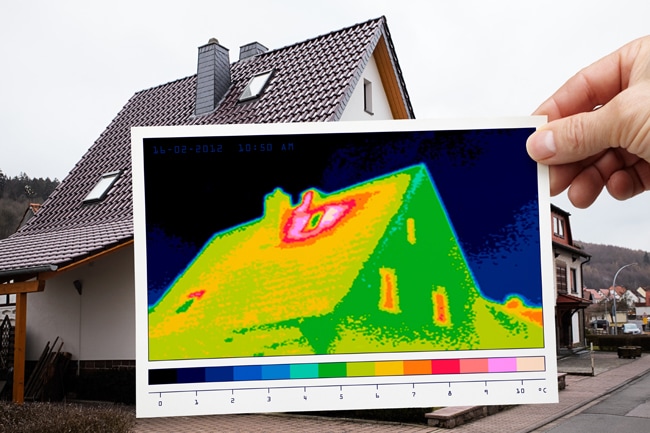
The leaky homes crisis has cost New Zealand billions of dollars, and it’s showing no signs of slowing. The Government claims around 42,000 homes are affected, but other experts claim the number is twice that. Buying a house is one of the biggest and most stressful times in a person’s life, so how can you be sure you’re not buying a leaky home? What are leaky homes? The Building’s Act of 1991 changed building controls in New Zealand to a more self-regulated system. Unfortunately, this led to some developers cutting corners when it came to construction. Add to that the architectural trend of the time towards Mediterranean-style homes, and the increase of cladding systems, and together they made a perfect storm of sub-par housing.These new houses tended to not provide adequate water tightness. The moisture seeped into the walls and stayed there, rotting away the wood and foundations. Sometimes this meant that the building became structurally unstable and needed to be demolished, but more often it led to damp and mould growing in the walls. This can cause serious health issues, especially for children and the elderly. How do you spot a leaky home? This is where it can get tricky. By law, a real estate agent must tell you if the house you’re looking at is a leaky home. The problem is, many realtors don’t know themselves. It’s up to the homeowners to tell them, and a lot of the time, they themselves don’t know. Most issues with a leaky home are not visibly apparent, as the rot is happening behind walls and under floorboards. There are visual signs though you can spot if you look close enough. Musty smells are, of course a sign of damp, but smaller things like corrosion of nails or screws on fixing, are another clue. Discolouration of surfaces or carpets can mean damp underneath, as can uneven wooden floors. The best way to check if a house is a dreaded leaky home is with a thermographic inspection.Using a special infrared camera, a team of professionals can search a building, finding any moisture that’s hidden away from prying eyes. How HS Building Inspections can help If you’re considering buying a home, then a thermal inspection is essential. Before you sign on the dotted line, you need to be sure that this is the right home for you and your family. HS Building Inspections can show that there are no serious problems that even the current owners may not be aware of. We use only the very latest thermal technology when inspecting a home, checking every nook and cranny for heat loss and hidden moisture. If you’re looking to buy a home, then a thermographic inspection from us can set your mind at ease, and potentially help you avoid thousands of dollars down the line. Always remember that a proper thermal inspection should be carried out by a professional. Beware of cheap or inexperienced building inspection companies that offer a cheaper rate; what you save today could cost you tenfold tomorrow. Graham Walton, owner and operator of HS Building Inspections, has been in the industry for over 25 years. He’s a Certified Level 1 Thermographer, and an NZiBi Registered Building Inspector. HS Building Inspections works to the highest standards of quality, safety and professionalism. Contact or call us on 0508 733 537 if you have any questions about leaky homes, prepurchase building inspections or thermal imaging.Our highly experienced staff will be only too happy to help answer any questions you may have.
Moisture detection services using the latest thermal technology
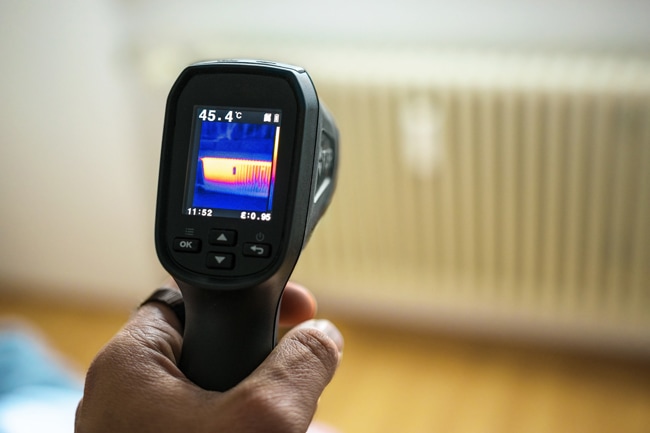
Moisture is great at hiding. It likes to gather in hard to reach places like behind walls or under floorboards. If it was harmless we could just ignore it, but unfortunately, it’s not. Not only can moisture rot wood, but it also leads to damp and mould, and this can cause serious health issues. It may be difficult to find hidden moisture, but it’s not impossible. Using special thermal imaging cameras, HS Building Inspections can search your home and discover any areas affected by damp or mould – especially important if you’re considering buying or selling a new house. What is damp? Damp or mould is an actual organism, part of the fungus family. It only has one job in nature – to break down organic matter. This is why it’s so dangerous to live with. Constantly breathing in mould spores can create very serious medical problems, including allergic reactions, respiratory problems and toxic symptoms. Usually our bodies react to these spores by coughing or sneezing to try and get rid of them, but constant exposure will wear your body down eventually. Children and the Elderly are particularly susceptible. If these spores germinate inside the lungs, they can cause inflammation, leading to sinusitis, bronchitis and other serious respiratory conditions. How we find moisture in your home Ultra violet light kills mould, so it needs moisture and darkness to thrive. Unfortunately, this describes the inside of every wall in your home. As wood is organic, mould will grow on the inside of walls, eating away at the drywall or the insulation, and you’ll never know it’s there. This is where we come in. Using the latest thermal camera technology, we can literally see through the wall and what lies behind it. Our cameras not only find and prevent mould from forming, but they show us where all the heat in your home is escaping from. This can not only save your health, but save you money too by cutting down on heating bills. How does a thermal camera work? The human eye can only see a very small section of the Electromagnetic Spectrum; what we call visible light. Just above this visible light is infrared light, what we would typically call “heat”. A thermal infrared camera can see this part of the spectrum, and so can show us the heat pattern behind a wall. If there’s a significant drop in temperature at a certain point, then we can safely assume it’s moisture. Why call HS Building Inspections? With 30 years in the business, HS Building Inspections owner and operator Graham Walton, an NZiBi Registered Building Inspector and ITC Certified Thermographer, has the experience and a keen understanding of the industry. Any building inspection we carry out is completed in the utmost professional manner, with every step of the process explained both verbally and in writing. The HS Building Inspection team has been handpicked due to their commitment to quality, safety and professionalism. Moisture can be a serious health threat, and if damp and mould are growing in your home, it’s hard to know without actually ripping your walls apart. A thermal imaging inspection from HS Building Inspections is the best way to detect it. Contact us today if you have any questions about our moisture detection services or if you’d like to know more about what we do. Our friendly and experienced staff will be happy to help.
Meth testing – how to look for warning signs in a new home
Meth affected homes are a continuing and growing problem in New Zealand.While houses used to cook meth (i.e. meth labs) are increasing, simply smoking meth once in a home is enough to produce a positive test result. So how do you know if a house has been used to cook or smoke meth?That’s the problem – you don’t. Only a thorough inspection can tell for sure if there are traces of methamphetamine in a building. And while your new home may seem fine, it’s amazing what a lick of paint can cover. What is the history of meth? Methamphetamine (or “P” as it’s commonly known in New Zealand) was first synthesised in 1887, and a crystallised form produced in Japan 30 years later. It was used during the second world war by the Nazis to “boost” soldiers during combat, and then in the 1950s and 60s it was marketed as a slimming pill and used to fight depression. Once people started to become addicted by the thousands, the government quickly banned its sale and use.After becoming illegal, the drug started being produced by biker gangs in California, and from there began to spread around the world. While it was always available in some form in New Zealand, the methamphetamine trade exploded around the turn of the millennium, with lab busts, arrests and Customs seizures increasing year to year since then. What are the health consequences of methamphetamine? Meth has a long list of health effects, both short and long term. When taken, meth will give a false sense of energy and invincibility, causing the user to push their body further than it should go. Once the drug wears off, this results in a severe crash, or physical and mental breakdown.Long term effects are shocking. Damage to the heart, liver, lungs and brain are all common. Strokes, heart-attacks and brain damage are the biggest killers of meth users, while those who recover usually have memory loss, extreme mood swings, depression and severe weight loss. What are the warning signs? While the only way to be sure you’re not buying a meth affected house is to have it professionally tested, there are always warning signs to look out for. Be aware of any chemical smells on the property, such as paint thinner or varnish. Many people describe a ‘hospital smell’ or a type of ‘vinegary’ smell. Ammonia is also a big clue, so don’t just pass it off as cat urine. Of course, visual clues should also stand out. What you can do about it To be 100% certain your home is meth free, you need to contact us. Our qualified and experienced technicians can forensically test your home for a range of drugs and chemicals, giving you, and your family, peace of mind. Before buying a home, we strongly recommend a thorough building inspection, including meth testing. Never sign on the dotted line before confirming your house isn’t a health and safety disaster. Meth affected homes are on the rise in New Zealand, and buying one can mean financial ruin. It’s better to discover now that your dream home is contaminated rather than being unable to live in it and unable to sell it. Call us today with any questions you may have about meth testing or building inspections in general.Our friendly and experienced staff will be happy to help in any way they can. Tell-tale signs of production of meth include the left-over equipment. While these may be everyday items such as glass jars or old cans, they might be fitted with hoses, clamps or duct tape. Rubber gloves, dust masks and coffee filters are all household objects, but they should at least raise a red flag.
The different types of building inspection services we offer
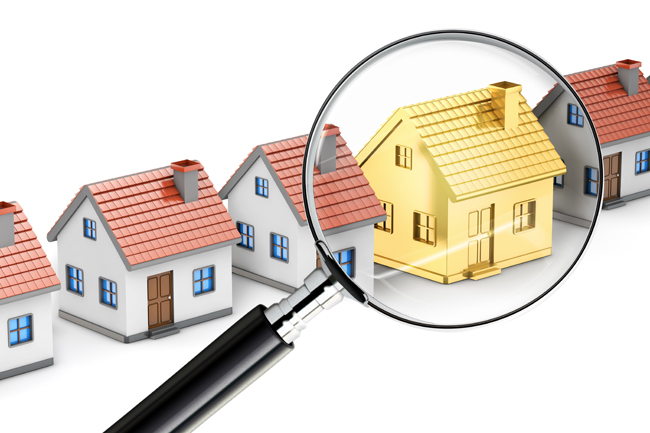
A building inspection can mean many different things. There is no official definition of a building inspection, and this ambiguity may lead to problems down the line. Homeowners can order an inspection, expecting a full, comprehensive report, but end up with a quick once over of the outside of the building. That’s not an issue here at HS Building Inspections. We let our clients know exactly what they are getting, from initial consultation through to final report and recommendations. We understand the importance of checking everything, both inside and out, in as many ways as we can. Our experienced team know it’s important for you to understand what’s going on, which is why we explain things in plain English, along with fully comprehensive reports, both written and verbal.Below are the services we offer when it comes to building inspections. Prelisting / Prepurchase Building Inspections If you’re buying a home, it is essential to know if there are any major problems with it beforehand. Imagine buying a house for you and your family, only to discover the walls are filled with damp and mould, or the grounds flood whenever it rains. Unfortunately, this happens more often than you think.The same can be said when selling a home. Ordering a building inspection before going to market will mean any deal will be less likely to fall through at the last minute. A house on the market with a building inspection already carried out and certified as having no problems will be much more likely to sell, giving you a succinct advantage over other sellers. Thermal Imaging Inspections Thermographic inspections are quickly becoming a standard prepurchase test for homebuyers. There’s a lot more going on behind the walls of a house than you realise, and that’s where a thermal imaging inspection comes into play. These non-intrusive and affordable inspections are a great way to see what the human eye cannot. By using a special infrared camera to inspect your house, we can literally see where the heat is escaping from. A thorough house inspection is one thing, but a thermographic inspection takes it to another level. Meth Testing The epidemic of methamphetamine labs across the country is terrifying. They seem to be popping up all over New Zealand, and homes in every suburb are affected by it. So how can you tell your home hasn’t at one time been a meth lab? Unfortunately, you can’t. It’s amazing what a lick of paint can do to a home.Hidden meth labs are a serious problem here in New Zealand, from the obvious health issues associated with it, to financial ruin. Our qualified and experienced technicians can forensically test your home for a range of drugs and chemicals, giving you, and your family, peace of mind. Electrical Inspections According to statistics from the New Zealand Fire Service, electrical fires accounted for one in four of recorded incidents for fires in structures. Of those electrical fires 40% originated in a switchboard or meter box.HS Building Inspections can find defects in electrical components and systems before serious problems arise. Using a thermal camera, we will undertake the necessary infrared tests to detect any overloading or excess heat in wiring systems. Even excluding the potential loss of life in a fire, the little money invested now on regular inspections could save tens of thousands of dollars down the road in equipment replacement and lost production. Moisture Detection Damp and mould are called the hidden killers, and it’s not hard to see why. Mould is a fungus, and its job is to break down organic matter. Unfortunately, your lungs fall into that category, and breathing in mould spores leads to serious respiratory problems.Dark and wet places are the perfect breeding ground for damp and mould e.g. behind your walls and under your floorboards. As damp isn’t always visible to the naked eye, a casual inspection might miss it, but HS Building Inspections are thorough professionals, and using our specialist equipment, we make sure to find it wherever it may be hiding. Why choose HS Building Inspections With over 30 years experience in the industry, our comprehensive building inspections cover everything you need to know. Every step of the process is explained both verbally and in writing, with suggestions on what to fix, how to fix it, and the possible consequences of not doing so.Our wide-ranging reports look into every aspect of your home, but at the same time are completely unobtrusive. Contact us today if you have any questions about our building inspection services or if you’d like to know more. Our friendly and experienced staff will be happy to help.
The real cost of skipping a prepurchase building inspection
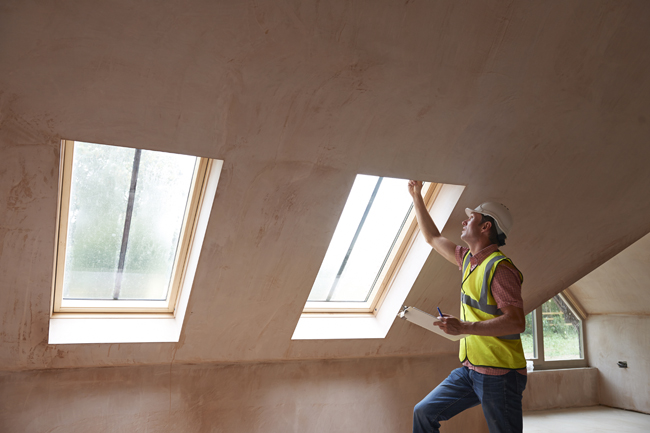
Many people are struggling to buy homes in today’s housing market, and in some cases this can lead to the mistake of not looking before you leap. The desperation to buy a house is causing buyers to grab what they can quickly, but without a prepurchase building inspection, the result may be catastrophic. Why you should never avoid a prepurchase building inspection We recently had a client who had missed out on several properties at auction. As they became more frustrated at the process, and more worried about never owning their own home, they cut corners and bought a house without having a proper inspection done first. They won the auction, but unfortunately, things didn’t go as expected for them. After moving into their dream home, it became obvious that things weren’t as good as they seemed. There was a leak in the bathroom, so they called us in to have a proper look at the state of the building. Our full building inspection revealed more than just a small leak in the bathroom. There was also another serious leak in the ensuite, with considerable damage to the structure and subfloor. Unfortunately both bathrooms had to be completely torn out and rebuilt, at considerable cost to the new home owners. Why you should get a prepurchase building inspection If those new homeowners had called us before buying, an inspection would have cost as little as $350. As it turned out, replacing both bathrooms cost somewhere in the region of $50,000. This very costly lesson for the homeowners is a great example of why you should always have a prepurchase building inspection carried out. You would never buy a car without taking it for a test drive, in fact, most people squeeze an avocado before buying it, so why risk signing on the dotted line for something so life-altering without due diligence? What you get with our inspection Our building inspection covers numerous aspects of the property. We will look at the grounds, cladding, drainage, roofing, plumbing, electrics and much more. We start on the outside of the house first, checking around the grounds. Areas of flooding for example, often go unnoticed by potential buyers because it’s not raining when they visit the house. Once inside the building, every room is checked, both visually and with specialist equipment. This non-invasive procedure allows us to see things hidden to the human eye, while at the same time allowing you to get on with your day.We check the materials used on the building and the quality of the workmanship, making sure cowboys didn’t build the property. Every potential issue we find is photographed and recorded, and all goes into a comprehensive written report. Why choose us After 3 decades in the business, HS Building Inspections owner and operator Graham Walton, an NZiBi Registered Building Inspector and ITC Certified Thermographer, has the experience and a keen understanding of the industry. His qualified and experienced team have been handpicked due to their commitment to quality, safety and professionalism. Our reports cover almost everything you could need to know before buying a home. Every step of the process is explained both verbally and in writing, with suggestions on what to fix, how to fix it, and the possible consequences of not doing so. Peace of mind is priceless, but a prepurchase building inspection is very affordable. Moving home is one of the most demanding times in a person’s life. A pre-purchase building inspection is at least one thing that can reduce the stress. Contact us today on 0508 733 537 if you have any questions about our prepurchase building inspections, or you can contact us if you’d like to know more. Our friendly and experienced staff will be happy to help.
Why you need a building inspection before selling or buying a home
When it comes to building inspections, a lot of companies tend to look at what’s on the surface instead of what’s going on behind the scenes. Many people don’t realise that to get an accurate picture of what’s really going on, we need to look behind walls, ceilings and under the floors. HS Building Inspections know the importance of checking these hard to reach places. Our team of fully qualified inspectors have the experience and knowledge to provide a fully comprehensive report, both written and verbal. We make sure you know exactly what’s going on in plain English, so you’re not left with any surprises after we’re gone. We know how important an inspection is when it comes to determining a property’s true condition, so we have a core set of checks and balances which safeguard your interests; whether buying or selling. Why you should order a building inspection before selling There’s no point putting your house up for sale and then getting a building inspection. What if you’ve got a leaky roof you didn’t know about? The new buyers aren’t going to be happy. At the very least they will want the price dropped, and worse case scenario, they will pull out of the deal altogether. Ordering a building inspection before going to market will mean any deal will be less likely to fall through at the last minute. A house on the market with a building inspection already carried out and certified as having no problems will be much more likely to sell, giving you a succinct advantage over other sellers.Buyers want to know the home they are spending hundreds of thousands of dollars on is free from problems and is not one of those dreaded “leaky homes”. Being able to show them a thorough report from a professional and reputable building inspection company is a great way to put someone’s mind at ease. What happens during a building inspection? If you order a building inspection from us, then our experienced staff will come to your home and spend the day carrying out a thorough and detailed report of the premises. We will keep you informed at every step of the way, explaining what’s happening and showing you the analysis as it comes through. The report will look at several key features in and out of the home, including construction quality, the materials used, and any repairs needed. Outside the buildingA building inspection doesn’t just cover the building – it also covers the surrounding property. A checklist of the outside is then ticked off one by one. A note of the materials used and their condition is first. From the deck through to the guttering, everything is inspected, noting what condition the material used is in and if it needs replacing. The second item on the checklist is any area considered a risk. These are areas that are dangerous due to a lack of maintenance, bad workmanship at the beginning, or simple bad luck… all these things need to be checked and noted. The thermal imaging camera comes out next, and with it we are able to detect moisture and damp. Once the inspection of the outside is complete, we photograph all potential areas of concern and explain what needs further attention and why. Our team will explain the risk factors involved if no further action is taken and the potential consequences. Inside the building Our building inspections are designed to be as unobtrusive as possible, yet we still manage to cover every area of your home. All rooms are inspected, including bedrooms, hallways and garages. Each area is checked for any obvious damage, then less obvious, such as denigration of material or bad workmanship. Security and electrical systems are also checked, along with heating systems such as open fires or ventilation pumps. The thermal imaging camera comes out again, searching for hidden moisture behind walls or ceilings. This is especially important inside the home, as it can detect damp and mould, which is a serious health hazard. We can also see where heat is escaping from your home, through doors and windows, helping you save when it comes to home heating.Almost everything is checked in an internal building inspection, from the plumbing to the hot water cylinder. The wiring in the house is checked for faults, and we even check the smoke detectors are up to scratch! Call HS Building Inspections for a stress free move Moving home is one of the most demanding times in a person’s life. A fully comprehensive building inspection report is at least one thing that can reduce the stress. A home with a building inspection is easier to sell, and if buying, can give you peace of mind.Our reports look into every aspect of your home, but at the same time are completely unobtrusive. If you would like to know more or want to order a building inspection, then give us a call today. Our friendly and professional staff will be only too happy to help.